

The 10 Most Scariest Things About Stove Extractor Fan
페이지 정보
본문
The Essential Guide to Stove Extractor Fans: Your Ultimate Kitchen Companion
In today's hectic world, kitchen ventilation is often neglected in favor of aesthetics or device features. Nevertheless, a stove extractor fan plays a crucial role in maintaining a healthy and enjoyable cooking environment. This post explores what stove extractor fans are, the various types offered, their advantages, installation factors to consider, maintenance suggestions, and responses to typical questions.
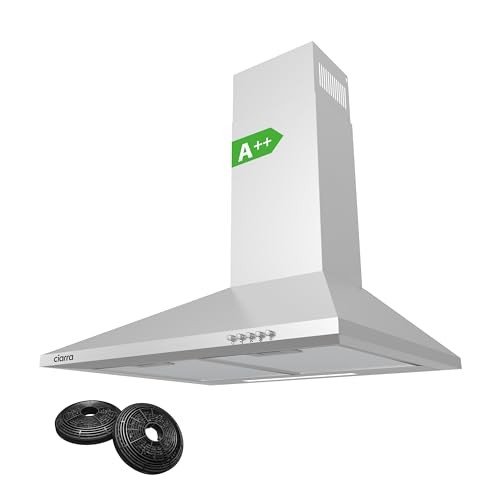
What is a Stove Extractor Fan?
A stove extractor fan, also understood merely as a range hood or kitchen Hood Cooker, is a ventilating device set up above the stove. Its main function is to get rid of smoke, steam, grease, and cooking odors from the air, improving air quality in your kitchen and home.
Types of Stove Extractor Fans
Stove extractor fans can be found in different styles and performances. Below is a contrast table summarizing the most common types:
| Type | Description | Pros | Cons |
|---|---|---|---|
| Wall-Mounted Hoods | Set up against a wall above the stove | Easy to install; stylish | Needs wall area |
| Under-Cabinet Hoods | Installed underneath kitchen cabinets | Space-saving; practical | Less powerful than other types |
| Island Cooker Hood Hoods | Suspended above an island stove | 360-degree ventilation; modern | More costly; requirements ceiling assistance |
| Downdraft Hoods | Integrated into the cooktop and pops up when required | Smooth style; inconspicuous | Minimal suction; less effective |
| Professional Hoods | Heavy-duty, commercial-grade hoods with high CFM | Exceptional for heavy cooking | High cost; generally requires particular setup |
Advantages of Installing a Stove Extractor Fan
Improved Air Quality: The main advantage is the elimination of smoke, grease, and odors, leading to fresher air.
Decreased Cooking Odors: No one delights in sticking around smells. An extractor fan efficiently removes them, guaranteeing your living area stays enjoyable.
Lessened Grease Build-up: By catching grease particles, extractor fans can help keep your kitchen cleaner.
Temperature Control: Fans help in lowering excess heat created while cooking, making the cooking experience more comfortable.
Allergen Control: Proper ventilation helps reduce dust and other allergens in the kitchen, improving total health.
Increased Property Value: A well-ventilated kitchen is a selling point for possible buyers.
Setup Considerations
When installing a stove extractor fan, keep the following elements in mind:
Size: Choose a hood that extends a minimum of 3 inches beyond each side of your stove for ideal coverage.
CFM Rating: The CFM (Cubic Feet per Minute) score shows just how much air the fan relocations. Select one that matches your cooking routines-- typically, a series of 300-600 CFM is sufficient for regular home cooking.
Ducted vs. Ductless: Ducted hoods vent smoke outside, while ductless options filter and recirculate the air. Select based upon your kitchen design and requirements.
Noise Level: Extractor fans can be loud. Examine the sones rating (a measurement of perceived loudness) to ensure it matches your choice.
Design and Aesthetics: Choose a style that matches your kitchen decoration. Hoods are available in various surfaces like stainless-steel, glass, or even customized styles.
Upkeep Tips
To ensure your stove extractor fan functions efficiently, routine upkeep is necessary. Here are some ideas:
Clean Filters Regularly: Metal filters can usually be washed in warm, soapy water. Change charcoal filters in ductless models according to producer standards.
Inspect for Grease Build-up: Inspect the fan and exhaust duct for grease build-up. Routine cleaning avoids clogs and fire threats.
Inspect the Motor and Blades: Periodically inspect the motor for dust accumulation and ensure the blades are clear from obstructions.
Change Light Bulbs: If your extractor fan has built-in lighting, check and change bulbs as needed to make sure sufficient visibility.
Seek Professional Help: If you see any significant issues like odd sounds or decreased suction, consider hiring a professional to check and repair the fan.
Often Asked Questions (FAQ)
1. Do I need a stove extractor fan if I have windows that I can open while cooking?
Windows can supply some ventilation, but a stove extractor fan is more effective in getting rid of smoke and odors quickly. It assists preserve a comfy temperature and air quality no matter outdoors conditions.
2. How do I know what size extractor fan I need?
Pick a fan that is at least as large as your cooking surface area, preferably extending a few inches beyond it. For accurate sizing, think about the CFM score based on your cooking style-- use the standards above for a quick check.
3. Can I use an extractor fan without ductwork?
Yes, ductless Cooker Extractors filter air and recirculate it back into the Kitchen Extractor Fan. They are perfect for homes or kitchens without exterior walls. However, they might not be as effective as ducted types for heavy cooking.
4. How loud are stove extractor fans?
Noise levels differ by design. Examine the sones rating when shopping; lower sones suggest quieter operation. A lot of modern fans are created to reduce sound.
5. How often should I clean my stove extractor fan?
Clean the metal grease filters every month and replace charcoal filters for ductless designs every 4 to six months, or as advised by the maker.
A stove extractor fan is an essential addition to any kitchen, offering many advantages varying from air quality improvement to aesthetic appeal. Comprehending the types, benefits, setup factors to consider, and upkeep of these devices can assist you make an informed choice for your Kitchen Extractor Fans. By purchasing the ideal design and maintaining it well, you can delight in a cleaner, much healthier cooking environment for many years to come. Whether you are a professional chef or an enthusiastic home cook, having a dependable stove extractor fan can significantly raise your cooking experience.
댓글목록
등록된 답변이 없습니다.

