

Unexpected Business Strategies For Business That Aided Largest Shippin…
페이지 정보
본문
What Is The Largest Shipping Container Size?
Shipping containers have actually changed worldwide trade because their beginning, simplifying the process of transporting items throughout the world. With the rise of global shipping, the demand for bigger containers to accommodate various types of cargo has actually increased. This article looks into the world of shipping containers, concentrating on the largest sizes offered in the market today.
Understanding Shipping Container Sizes
Shipping containers been available in different sizes, however the most common ones are measured in twenty-foot equivalent systems (TEUs). A TEU is a standard measure that represents a container determining 20 feet in length, 8 feet in width, and 8.5 feet in height. Alternatively, a forty-foot comparable unit (FEU) determines 40 feet in length, which is comparable to 2 TEUs.
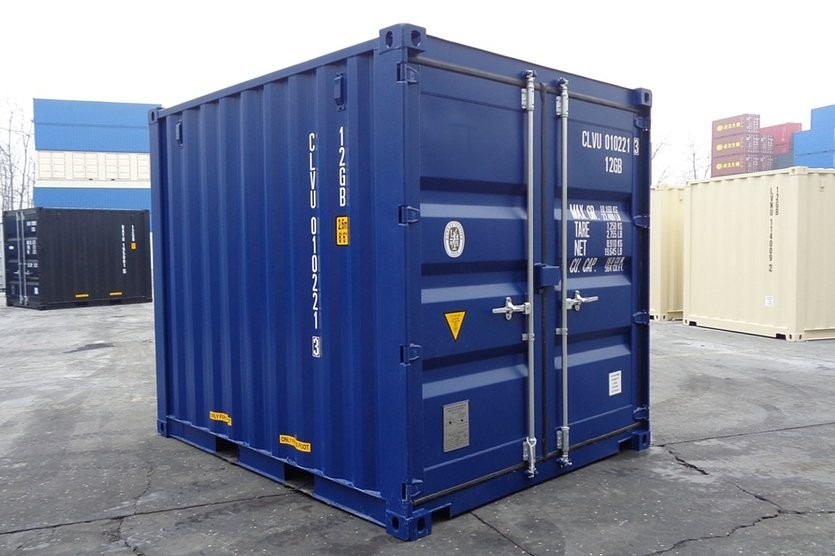
Here's a fast introduction of typical shipping container sizes:
| Container Type | Length (ft) | Width (ft) | Height (ft) | TEU Equivalent |
|---|---|---|---|---|
| Standard Container | 20 | 8 | 8.5 | 1 |
| Standard Container 45 Ft | 40 | 8 | 8.5 | 2 |
| High Cube Container | 40 | 8 | 9.5 | 2 |
| High Cube Container | 45 Foot Containers | 8 | 9.5 | 2.25 |
| 48-foot Container | 48 | 8 | 8.5 | 2.4 |
| 53-foot Container | 53 | 8 | 9.5 | 2.65 |
| Super High Cube Container | 45 | 8 | 13.5 | 2.25 |
The Largest Shipping Containers
The largest shipping containers in routine usage today are the 53-foot and 45-foot containers. The incredibly high cube containers, which reach heights of 13.5 feet, are also notable. They provide additional cubic capability for cargo, which is considerable for items that can fit vertically.
Secret Features of the Largest Containers
Size and Capacity: The 53-foot container is frequently used for transporting dry products, while the 45-foot variations are popular for worldwide shipping due to their optimal balance of workable size and cargo volume.
Product: Made primarily from steel, larger containers maintain durability while making the most Internal Dimensions Of 45 Ft Container space.
Weight Limits: The optimum payload is frequently around 67,200 pounds for the 53-foot containers, which is substantial for heavy cargo.
Ventilation and Waterproofing: Larger containers typically come with advanced features like ventilation systems and waterproofing choices to protect sensitive cargo.
Customization Options: Depending on the shipping business, larger containers can be personalized for particular requirements, consisting of refrigeration, temperature control, and more.
Advantages of Using Larger Shipping Containers
Shipping bigger containers has unique benefits, especially for services reliant on global shipping. Here are several benefits:
Efficiency in Transport: Larger containers decrease the number of trips required, therefore lowering transport expenses.
Decreased Carbon Footprint: Fewer trips mean a lower carbon footprint per system of cargo transported, which What Is The Largest Shipping Container Size - https://blogfreely.net/wooldrama21/20-things-you-Must-know-about-45ft-shipping-container - significantly essential in today's ecologically conscious shipping market.
Increased Capacity: Larger containers allow companies to deliver more items in a single container, enhancing stock management.
Less Packaging Waste: Utilizing bigger containers can significantly decrease packaging products, promoting sustainability.
Often Asked Questions (FAQ)
1. What is the largest shipping container size available?
The largest basic 45' Shipping Container container size is a 53-foot container used generally in North America. Nevertheless, custom-made and customized containers can exceed this size, specifically in specialized shipping circumstances.
2. How are shipping containers measured?
Shipping containers are measured in TEUs and FEUs. A TEU is a container 20 feet long, while an FEU refers to a 40-foot container.
3. What is the maximum weight capacity for big shipping containers?
The weight capability can vary. A 53-foot container generally has an optimum payload of about 67,200 pounds. Always contact shipping companies for particular limits.
4. Are bigger containers more expensive to ship?
Generally, larger containers may require greater shipping costs due to their size and weight. Nevertheless, the general expense can be lower when considering cost-per-unit shipping efficiency.
5. Can large containers be used for all types of cargo?
Larger containers can accommodate various types of cargo, however sensitive or perishable products might require customized containers like refrigerated ones for appropriate transport.
The logistics of shipping need a mindful balance of container size, weight capacity, and cargo type. Comprehending the largest shipping container sizes readily available today can substantially benefit companies taken part in global trade. By leveraging bigger containers, business can improve their performance, lower expenses, and promote sustainability in their shipping practices. As global trade continues to develop, the demand for innovative container services will just drive the industry forward.
댓글목록
등록된 답변이 없습니다.

