

15 Best Documentaries On Rent Shipping Container
페이지 정보
본문
The Comprehensive Guide to Renting Shipping Containers
In recent years, the rental of shipping containers has actually acquired traction amongst organizations and people seeking flexible storage solutions or imaginative areas. Whether you need additional area for your business, are preparing a momentary office, or desire to produce a special living area, leasing a shipping container provides various benefits. This guide functions as a helpful resource covering the essentials of renting shipping containers, consisting of rates, types, and often asked questions.
What is a Shipping Container?
A shipping container is a robust modular system, designed mainly for transporting goods throughout various modes of transport, from ships to trucks. However, their resilience and economical pricing have made them a popular choice for different alternative usages, such as storage, workshops, and even mobile homes.
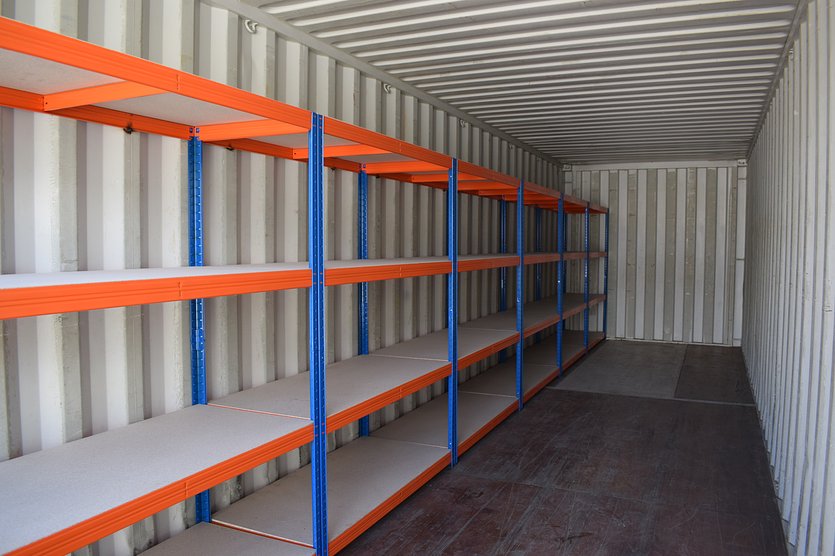
Advantages of Renting Shipping Containers
Leasing shipping containers features numerous advantages, making it a practical option for varied requirements:
- Cost-Effective: It often shows less expensive to rent a container than to buy one outright.
- Flexibility: Containers can be used for storage, workplace, or even as homes.
- Hassle-free: Many rental services provide delivery and pickup, making the whole process hassle-free.
- Secure: Shipping containers are made from durable materials that use security against theft and weather damage.
- Portable: They can be easily moved, enabling versatility based upon altering needs.
Table 1: Types of Shipping Containers and Their Uses
| Type of Container | Size Options | Common Uses |
|---|---|---|
| Requirement Dry Container | 10', 20', 40' | General storage, moving products |
| Refrigerated Container | 20', 40' | Transporting perishables |
| Open-Top Container | 20', 40' | Bulk product transport |
| Flat Rack Container | 20', 40' | Oversized cargo transport |
| High Cube Container | 40', 45' | Extra storage space |
How to Rent a Shipping Container
The procedure of leasing a shipping container is straightforward. Here are actions to assist you through:
- Determine Your Needs: Assess what you'll be using the shipping container for (storage, office, etc) and figure out the size based upon your requirements.
- Research Study Rental Companies: Look for reliable rental services in your area. Reading reviews and looking for recommendations can help find reputable service providers.
- Demand Quotes: Contact multiple rental companies for prices choices. Ensure to clarify the terms, conditions, and delivery/pickup charges if suitable.
- Review the Lease Agreement: Scrutinize the arrangement for rental period, expenses, maintenance duties, and charges for late returns.
- Choose Delivery Options: Decide on whether you'll get the container or require it delivered to your place.
- Examine the Container: Before accepting the container, check its condition and ensure it meets your requirements.
Table 2: Average Costs of Renting Shipping Containers (monthly)
| Container Size | Typical Monthly Rental Rate | Delivery Charge (if applicable) |
|---|---|---|
| 10' | ₤ 100 - ₤ 200 | ₤ 100 - ₤ 300 |
| 20' | ₤ 200 - ₤ 300 | ₤ 100 - ₤ 300 |
| 40' | ₤ 300 - ₤ 500 | ₤ 100 - ₤ 500 |
Elements Affecting Container Rental Pricing
Comprehending what affects rental prices can help people and services discover the very best offer. Here are crucial factors:
- Container Condition: Newer containers or those in outstanding condition may cost more than older, used ones.
- Area: Rental prices vary by region due to regional demand, transport expenses, and schedule.
- Rental Duration: Longer rental terms often include minimized regular monthly rates.
- Customization and Modifications: If tenants require modifications (e.g., doors, windows, insulation), this might raise the rent.
Tips for a Smooth Shipping Container Rental Experience
- Plan Ahead: Ensure all rental arrangements are in location before you need the container to avoid last-minute tension.
- Document the Condition: Take videos/photos of the container before and after usage for reference relating to damage/conditions.
- Know Local Regulations: Some towns have particular regulations relating to storage containers on-site. Check local laws to make sure compliance.
- Prepare the Site: If the container is to be placed on a website, prepare the ground with the necessary area and a solid foundation.
- Think about Insurance: Consult with your insurance coverage company relating to coverage for the leased container and its contents.
Frequently Asked Questions (FAQ)
Q1: Can I rent a shipping container for short-term use?A: Yes
, numerous companies provide both short-term and long-term rental choices to cater to various needs.
Q2: Are rental shipping containers secure?A: Yes, shipping containers are developed to endure severe conditions and can be securely locked. Q3: Can I tailor a rental shipping container?A: Yes, numerous rental companies provide personalization options for modifications like windows, electrical wiring, and insulation. Q4: What are the delivery expenses for leased shipping containers?A: Delivery expenses differ by
business, range, and container size, normally ranging from ₤ 100 to ₤ 500. Q5: What ought to I do if I discover damage when I receive the container?A: Document the damage with photos and inform the rental company
immediately to discuss any necessary modifications. Renting a shipping container can be a sensible, cost-effective option for numerous storage and work space requirements. By understanding the numerous types
of containers, rental procedures, and factors influencing rates, individuals and companies can make informed choices. Armed with the right information and preparation, anyone can take advantage of this innovative service for their specific requirements. The need for shipping container leasings will likely grow as more people discover their functionality and flexibility, making it an important choice for contemporary life.
댓글목록
등록된 답변이 없습니다.

