

Guide To Sea Containers: The Intermediate Guide The Steps To Sea Conta…
페이지 정보
본문
Understanding Sea Containers: A Comprehensive Guide
Sea containers, likewise called shipping containers, play a pivotal function in worldwide trade and logistics. These robust metal boxes are designed to stand up to extreme maritime conditions while firmly carrying items across oceans to various destinations. In this post, we will look into the history, types, advantages, and sustainability practices connected with Sea Containers [use Telegra here], providing a helpful introduction for anyone looking to comprehend their significance in modern transport.
A Brief History of Sea Containers
The concept of utilizing containers for shipping dates back to the mid-20th century. In 1956, Malcolm McLean, an American business owner, reinvented shipping by introducing the first standardized container. This innovation allowed products to be packed onto and off of ships more efficiently, significantly minimizing shipping times and expenses.

The Evolution of Sea Containers
| Year | Turning point |
|---|---|
| 1956 | Intro of standardized shipping containers |
| 1966 | Adoption of the International Organization for Standardization (ISO) standards |
| 1980s | Growth of intermodal transport systems |
| 2000s | Increase of shipping container terminals worldwide |
| Today | Ongoing innovations in container design and managing |
Kinds Of Sea Containers
Sea containers come in various sizes and shapes, each designed for particular shipping requirements. The most typical types consist of:
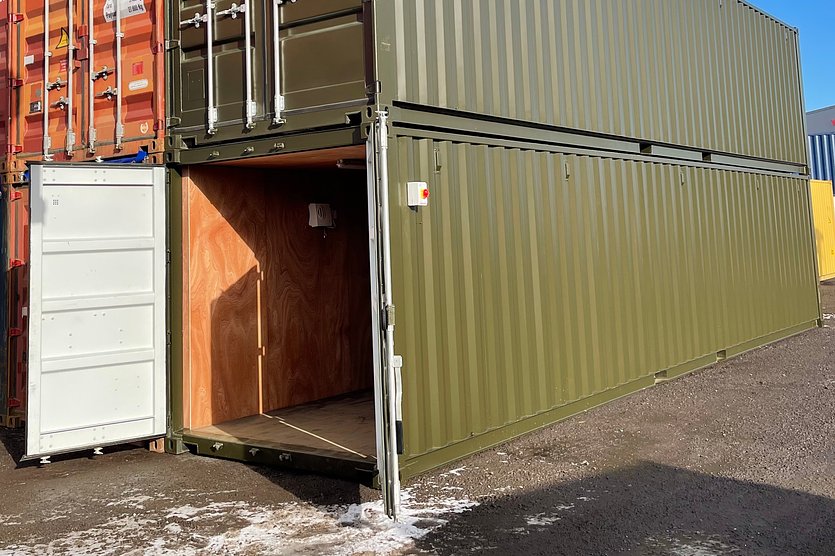
- Standard Dry Storage Containers Containers: Used Cargo Containers for general cargo, these containers are available in 20-foot and 40-foot sizes.
- Refrigerated Containers (Reefers): Designed for disposable goods, these containers can keep temperature-controlled environments.
- Open Top Containers: Ideal for oversized loads, they feature a detachable top for simple loading.
- Flat Rack Containers: Best fit for large machinery or cargo, these containers have no sides or top.
- Tank Containers: Designed for liquid cargo, these containers are built to hold harmful products securely.
Container Dimensions and Specifications
| Container Type | Length (ft) | Width (ft) | Height (feet) | Maximum Weight (lbs) |
|---|---|---|---|---|
| Standard Dry | 20/ 40 | 8 | 8.5 | 48,000/ 67,200 |
| Refrigerated (Reefer) | 20/ 40 | 8 | 8.5 | 48,000/ 67,200 |
| Open Top | 20/ 40 | 8 | 8.5 | 48,000/ 67,200 |
| Flat Rack | 20/ 40 | 8 | 8.5 | 48,000/ 67,200 |
| Tank | 20/ 40 | 8 | 8.5 | 25,000/ 40,000 |
The Benefits of Sea Containers
Sea Portable Storage Containers use various benefits, making them a necessary part of international shipping. Here are some essential benefits:
- Efficiency: Containers simplify the loading and unloading of cargo, significantly lowering turnaround times in ports.
- Security: Their robust construction safeguards items from theft and damage throughout transit.
- Flexibility: Sea containers can be Used Shipping Containers for a wide variety of items, from electronics to food.
- Standardization: The use of standardized sizes allows for easy multimodal transportation (land, sea, and air).
- Cost-Effectiveness: Bulk shipping reduces costs, making it more economical for services to import and export products.
Ecological Benefits
With increasing awareness of climate modification and ecological problems, the shipping market is checking out more sustainable practices. Some of these include:
- Recycling and Repurposing: Old containers can be repurposed for housing, stores, and even art setups.
- Effective Shipping Practices: Advances in navigation innovation and fuel efficiency aid lower carbon emissions from shipping.
- Modular Design: Containers' stackable nature enhances cargo area, minimizing the variety of trips required.
Regularly Asked Questions (FAQ)
1. What is the standard size of a shipping container?
The most common sizes are 20-foot and 40-foot containers, but there are variations like 10-foot and 45-foot containers offered also.
2. How do I choose the ideal container for shipping?
Choosing the right container depends on the kind of goods being shipped. For perishable products, a refrigerated container is perfect; for large cargo, an open top or flat rack may be more suitable.
3. Can sea containers be used for land transport?
Yes, sea containers are developed for intermodal transport, meaning they can be transferred perfectly between ships, trucks, and trains.
4. Are shipping containers safe for dangerous materials?
Tank containers are particularly designed to securely transport hazardous liquids. However, it's necessary to follow all safety policies and standards when shipping such materials.
5. How are shipping containers transferred?
Containers are lifted on and off ships utilizing cranes, placed onto trucks, or packed onto flatbed trains, permitting efficient intermodal transport.
Sea containers are more than just metal boxes; they are a cornerstone of worldwide trade and logistics. With their wide range of types, benefits, and a commitment to sustainability, they continue to develop as crucial players in the shipping market. Comprehending sea containers and their impact on trade is essential for companies and consumers alike, as our interconnected world relies greatly on these flexible and robust units. Whether you are an experienced logistics professional or a curious customer, this knowledge is indispensable in appreciating the crucial function that sea containers play in everyday life and the global economy.
댓글목록
등록된 답변이 없습니다.

